
Long Lasting Tub & Tile Chip Repair Techniques for Professional Refinishers

February 13, 2026

How do I set up a refinishing station in tight spaces?

Bathtub and tile refinishing jobs rarely start with perfect surfaces. Most tubs, shower pans, sinks, and ceramic tile surrounds contain chips, scratches, rust pits, impact damage, and surface imperfections that must be repaired before coatings can be applied.


For professional refinishers, chip repair is more than cosmetic—it directly affects adhesion, durability, and the final appearance of the refinished surface. Poor repairs can telegraph through the finish, cause coating failures, or create weak points that crack or delaminate months later.


This professional guide explains long-lasting chip repair techniques used by experienced refinishers, including surface preparation, filler application, sanding methods, priming, and topcoating using Zen-Tek Coating systems.


By following these steps, contractors can produce smooth, invisible repairs that hold up under daily use in bathrooms, rental properties, hotels, and commercial facilities.

How Do Professionals Repair Bathtub Chips Before Refinishing?

Professional bathtub chip repair typically follows these steps:


  1. Clean and degrease the damaged area
  2. Remove loose coating or glaze
  3. Sand and feather the chip edges
  4. Apply two-component repair filler
  5. Allow the filler to cure
  6. Sand and level the repair
  7. Apply a bonding primer like Zen-Tek’s Prime-X
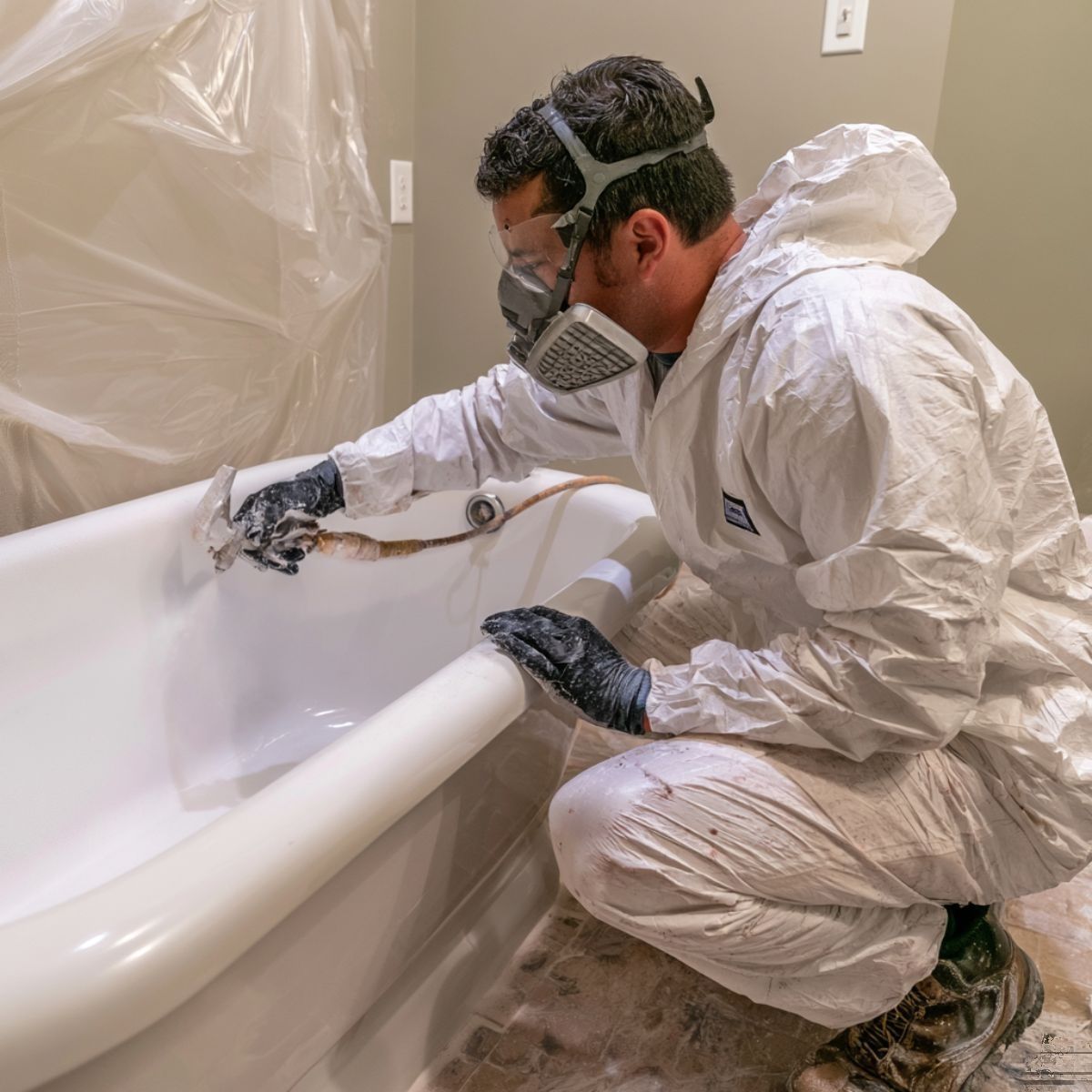
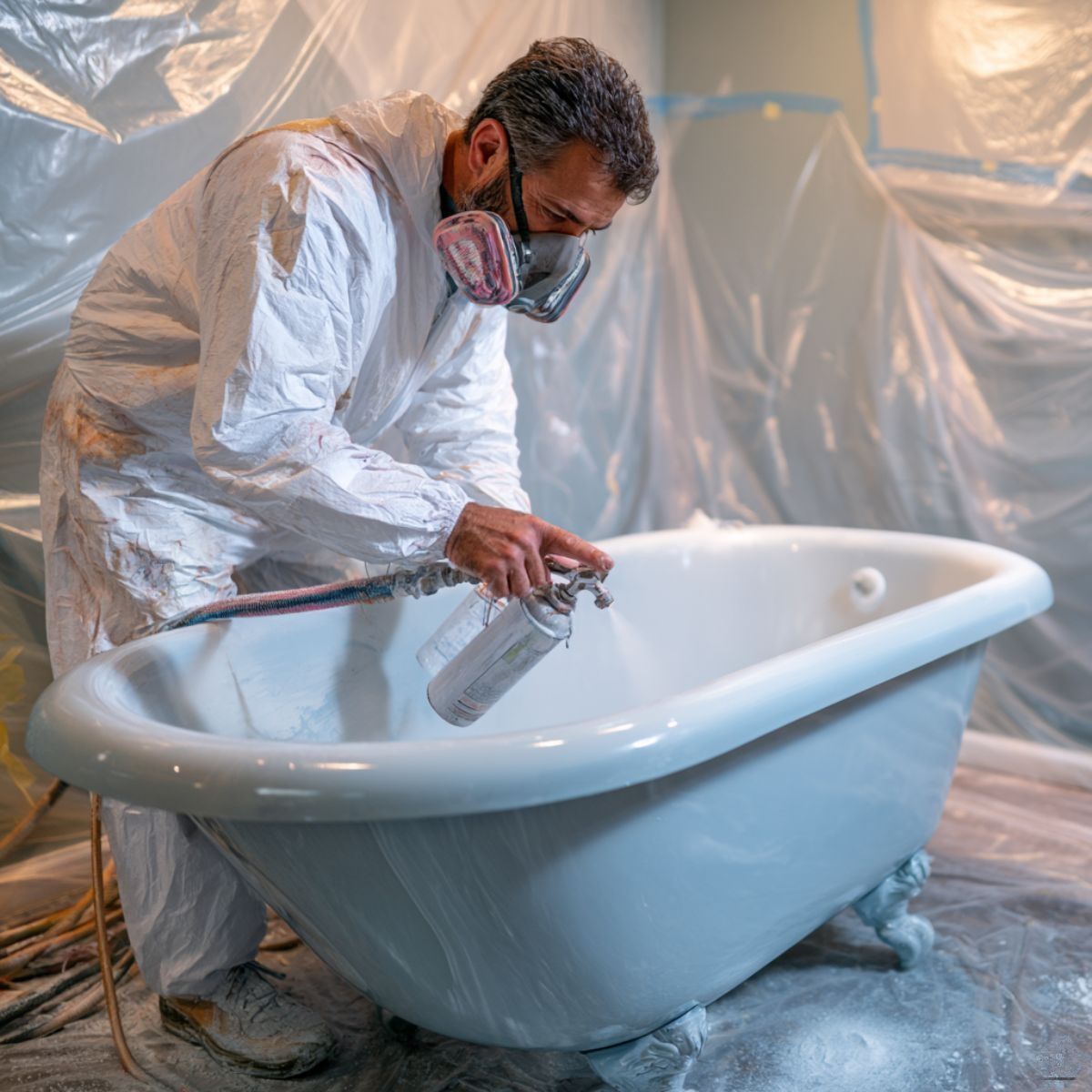
  8. Spray the refinishing coating such as Zen-Tek’s Zenix


When performed correctly, the repair becomes invisible under the final refinishing coating.

What Is Bathtub Chip Repair in Refinishing?

Bathtub chip repair is the process of restoring damaged porcelain, fiberglass, acrylic, or tile surfaces before applying a refinishing coating. Professional refinishers fill chips and scratches with repair filler, sand the repair smooth, apply bonding epoxy paint and primer, and then spray a new refinishing coating.

Bathtub & Tile Chip Repair in Professional Refinishing

Chip repair is one of the most common repairs professional refinishers perform before resurfacing bathtubs, showers, sinks, and tile surrounds. Damage such as porcelain chips, fiberglass cracks, acrylic gouges, and tile edge breaks must be repaired properly before refinishing coatings are applied.


Unlike simple cosmetic patching, refinishing chip repair focuses on creating a structurally sound surface that allows bonding primers and topcoats to adhere correctly. When done properly, chip repairs become completely invisible after the final coating is sprayed.

Common chip repair situations refinishers encounter include:


  • Porcelain bathtub chips from dropped objects


  • Tile edge chips around shower walls


  • Impact damage near drains and overflow plates


  • Rust pits in older cast iron tubs


Because these repairs are performed before reglazing or refinishing, proper preparation, filler selection, sanding technique, and primer application are critical for long-lasting results.

Why Chip Repair Is Critical Before Bathtub & Tile Refinishing

Even small surface damage can compromise refinishing results.


Unrepaired defects often lead to:


  • Visible depressions under the coating
  • Adhesion problems near chip edges
  • Moisture penetration into the substrate
  • Coating cracking or peeling over time


Professional refinishers treat chip repair as a structural repair step, not just cosmetic patching.


Proper repairs ensure the refinished surface maintains:


  • Uniform gloss
  • Smooth texture
  • Long-term adhesion
  • Impact resistance

Step-by-Step Chip Repair Process for Bathtubs and Tile

Step 1: Identify the Surface Material

Different bathroom surfaces respond differently to chip repair techniques.


Common refinishing substrates include:


  • Porcelain bathtubs
  • Cast iron tubs
  • Fiberglass tubs
  • Acrylic bathtubs
  • Ceramic tile walls
  • Cultured marble sinks


Each material has different hardness, flexibility, and bonding characteristics.


Understanding the surface ensures the repair will bond properly and resist cracking later.

Step 2: Clean and Degrease the Repair Area

Surface contamination is one of the most common causes of repair failure.


Before applying filler, remove:


  • Body oils
  • Soap residue
  • Conditioner
  • Silicone
  • Mineral deposits
  • Cleaning product residue


Professional refinishers typically perform:


  1. Degreasing wash
  2. Clean water rinse
  3. Surface wipe down
  4. Silicone inspection


Any remaining contamination can cause fisheyes, adhesion loss, or bubbling during coating.

Step 3: Remove Old Coatings if Necessary

If the surface was previously refinished and the coating is failing, it should be stripped before repairing chips.


For this process, contractors often use

Zen-Strip to remove old refinishing coatings before performing chip repair.


Removing old coatings prevents:


  • filler adhesion failure
  • uneven repair layers
  • trapped coatings under patch materials


Once stripped, rinse and allow the surface to fully dry before continuing.

Step 4: Sand and Profile the Chip Area

Mechanical sanding creates the surface profile necessary for strong filler adhesion.


Recommended sanding technique:


  • Feather chip edges up to 2 inches around the area
  • Remove loose glaze
  • Slightly widen sharp chip edges
  • Create bonding tooth


Typical sanding range:


  • 180–220 grit: initial edge feathering
  • 220–320 grit: final repair area preparation


Avoid aggressive sanding that enlarges the repair unnecessarily.

Step 5: Apply Chip Repair Filler

Professional refinishing technicians typically use two-component fillers designed for chip repair.


Application technique:


  1. Mix filler according to manufacturer ratio.
  2. Press material firmly into the chip.
  3. Slightly overbuild the repair area.
  4. Allow the filler to cure fully before sanding.


Avoid thick fills whenever possible. Excess filler thickness can cause:


  • shrinkage
  • cracking
  • solvent entrapment
  • repair instability

Step 6: Allow Proper Cure Time Before Sanding

Proper curing is essential before sanding or applying coatings.


Typical chip filler curing times:


  • Touch dry: 10–20 minutes
  • Sandable: 20–40 minutes
  • Ready for primer: after sanding


Environmental factors such as temperature and humidity affect curing speed.


For a deeper breakdown of coating cure windows, see Zen-Tek’s

Bathroom Coatings Dry Time Guide.


Understanding dry time helps prevent:


  • sandpaper clogging
  • filler distortion
  • coating failure.

Step 7: Sand and Level the Chip Repair

Once cured, sand the repair to blend seamlessly into the surrounding surface.


Recommended sanding progression:


  1. 220 grit – level the repair
  2. 320 grit – smooth and refine
  3. 400 grit – final blending


The repair should feel completely smooth when running a finger across the area.


Proper feathering ensures the repair disappears under the final coating.

Step 8: Apply Bonding Primer

Priming the repair area ensures consistent adhesion across filler and surrounding surfaces.


Professional refinishers frequently apply

Prime-X bonding primer before spraying the final coating.


Benefits include:


  • sealing porous filler
  • creating uniform color
  • improving adhesion
  • preventing sink-in around repairs


Typical primer dry times:


  • Touch dry: 20–40 minutes
  • Recoat window: 45–90 minutes
  • Ready for topcoat: same day

Step 9: Apply the Final Refinishing Coating

Once repairs are primed, the tub or tile surface can be refinished.


Professional refinishers commonly apply

Zenix coating systems for bathtub and tile refinishing.


Proper spray technique ensures the repair blends perfectly.


Use:

  • consistent gun distance
  • medium-wet passes
  • proper overlap


This helps avoid defects such as:

  • orange peel
  • dry spray
  • sagging
  • uneven gloss


Typical topcoat dry times:

  • Touch dry: 20–40 minutes
  • Handle dry: 3–6 hours
  • Full cure: 1–2 days


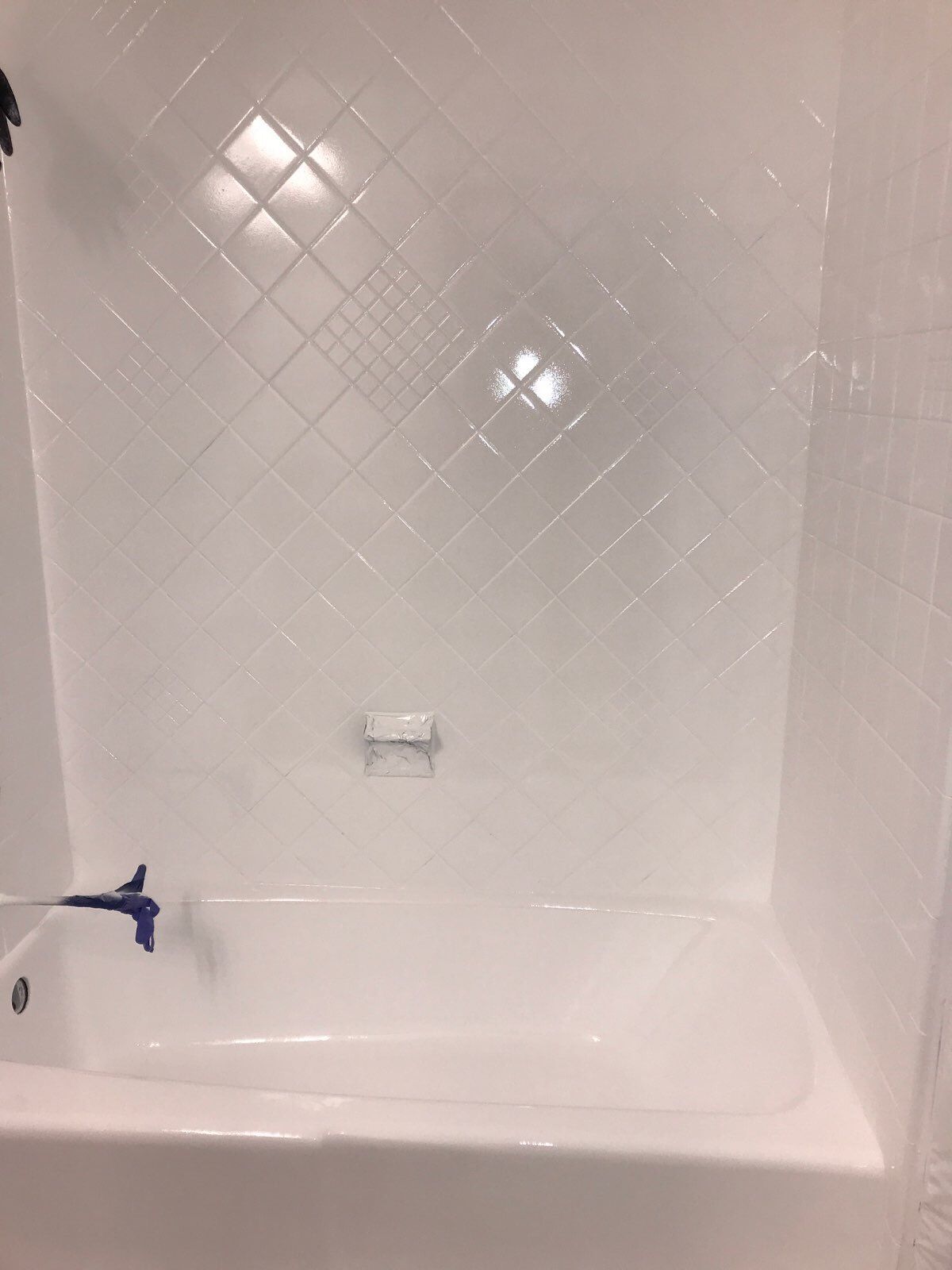
After curing, the repair should be completely invisible.

Common Chip Repair Problems and How to Prevent Them

Repair Cracks After Refinishing

Possible causes:


  • excessive filler thickness
  • poor surface sanding
  • substrate movement


Solution:


  • apply thinner repair layers
  • sand properly before filling
  • use flexible repair materials when necessary.

Chip Repair Pops Out After a Few Weeks

Common causes:


  • contamination before filling
  • inadequate sanding
  • no primer over filler


Solution:


  • deep clean the repair area
  • feather edges thoroughly
  • prime before topcoat.

Pinholes in Chip Filler

Pinholes can appear when:


  • air becomes trapped during mixing
  • filler is applied too quickly
  • moisture remains in the repair area.


Allow surfaces to dry completely before filling.

Common Chip Repair Mistakes Refinishers Should Avoid

Even experienced refinishers occasionally encounter chip repair failures. The most common causes include:


  • Applying filler over contaminated surfaces


  • Using overly thick repair fills


  • Skipping primer before topcoat


  • Inadequate sanding before filler application


  • Moisture trapped in shower pans or grout lines


Correcting these issues significantly improves the longevity of tub and tile refinishing repairs.

Pro Tips for Faster Chip Repair Workflow

Professional refinishers improve productivity by:


  • repairing multiple chips at once
  • sanding repairs together
  • using quick-cure fillers
  • keeping sanding stages consistent
  • priming the entire surface before coating.


These methods maintain high production speed without sacrificing quality.

Frequently Asked Questions About Tub & Tile Chip Repair

What’s the best filler or patch material for chip repair before refinishing?

Two-component refinishing fillers provide fast curing, strong adhesion, and smooth sanding for bathtub and tile chip repairs.

Can I use Bondo or auto body filler for bathtub chip repair?

Some refinishers use automotive fillers, but products designed for bathroom refinishing environments typically provide better durability and moisture resistance.

Do I need to sand the chip area before applying filler?

Yes. Sanding creates mechanical adhesion and helps the filler bond securely to the surface.

How long should chip filler cure before sanding?

Most refinishing fillers become sandable within 20–40 minutes depending on temperature.

What grit sandpaper should I use for chip repair?

Should I prime the chip repair before spraying the topcoat?

Yes. Priming with Prime-X helps seal the repair and create consistent adhesion.

Will chip repairs show through the refinished surface?

Proper sanding, feathering, and priming ensure the repair disappears beneath the coating.

Yes. Most refinishing fillers bond well to these materials when the surface is properly prepared.

What causes chip repair failure months after refinishing?

Common causes include contamination, poor sanding, excessive filler thickness, or skipped primer steps.

Can chip repair and refinishing be completed the same day?

Can chip repair and refinishing be completed the same day?

Yes. Most professional refinishing jobs complete chip repair and coating during the same service visit.

refinishing equipment guide
March 16, 2026
Complete equipment guide for professional bathroom and kitchen refinishers. Learn the best spray guns, ventilation systems, tools, and setup tips for refinishing tubs, tile, showers, sinks, countertops, and cabinets.

acrylic shower refinishing
January 15, 2026
Learn how professional refinishers properly prepare acrylic bathtubs and showers for coating. Sanding methods, primers, cleaners, substrate identification, and troubleshooting tips for adhesion, peeling, and fisheyes.
bathroom refinishing warranty
December 15, 2025
Learn how to structure bathtub, tile, shower, countertop, sink, and cabinet refinishing warranties that attract customers and protect your business. Coverage terms, exclusions, duration, claims, and coating system recommendations for professional refinishers.
commercial tile refinishing process
November 21, 2025
Learn the complete professional process for refinishing ceramic tile using Zen-Tek Coatings. Step-by-step tile prep, priming, spraying, dry-time guidance, troubleshooting tips, and expert FAQs for shower walls, floors, and backsplashes.
bathroom coating dry times
October 19, 2025
Learn the correct dry times for tubs, tile, showers, countertops, cabinets, and more in this professional refinisher’s guide. Includes drying tips, cure times, environmental factors, and how Zen-Tek coatings like Zenix, Synergy, Cabinext, and Prime-X improve finish quality.
September 16, 2025
Orange peel in bathtub, tile, shower, countertop, and cabinet refinishing happens when a coating dries before it can self-level, leaving a textured surface that resembles citrus skin. It’s caused by improper spray technique, incorrect viscosity, or temperature and airflow issues. To prevent it, maintain balanced gun pr
professional cabinet refinishing techniques
August 19, 2025
Discover how Zen-Tek’s Cabinext and Prime-X help professionals refinish cabinets faster with a flawless, factory-grade finish.
porcelain tub preparation
July 15, 2025
Professional guide to cleaning, acid etching, and priming porcelain tubs, tile, and sinks for flawless bathroom refinishing with Zen-Tek products.