
What Bathroom Refinishing Warranty Terms Should I Offer? A Complete Guide for Professional Refinishers
Professional bathroom and kitchen refinishers are often caught between two realities: customers want long-lasting results, but coatings and substrates have inherent limits. Crafting the right warranty terms helps you sell more jobs, reduce callbacks, protect your business legally, and set realistic expectations—without underselling the true value of high-performance refinishing.
This guide explains how to structure warranties for tubs, showers, tile, sinks, countertops, and cabinets; how surface materials affect durability; how coating systems change warranty length; and how to manage exclusions and claims without damaging customer relationships.
Throughout the guide, we will reference Zen-Tek Coatings products—designed specifically for professional refinishers and known for their durability, chemical resistance, and adhesion performance.
Why Warranties Matter in Bathroom Refinishing
Unlike traditional construction, bathroom refinishing is:
- Done in wet environments
- Applied over existing substrates
- Sensitive to cleaning chemicals
- Prone to customer misuse
- Variable based on
substrate, coating, and use patterns
A bathtub used twice a day in a rental unit is not the same as a guest bath used once a month. A porcelain tub from the 1960s behaves differently than a fiberglass shower insert from 2008. Likewise, a refinisher using a high-performance coating system such as Zenix or Synergy can confidently offer longer terms than someone using lower-grade chemistry.
Your warranty should reflect real-world durability—not wishful marketing.
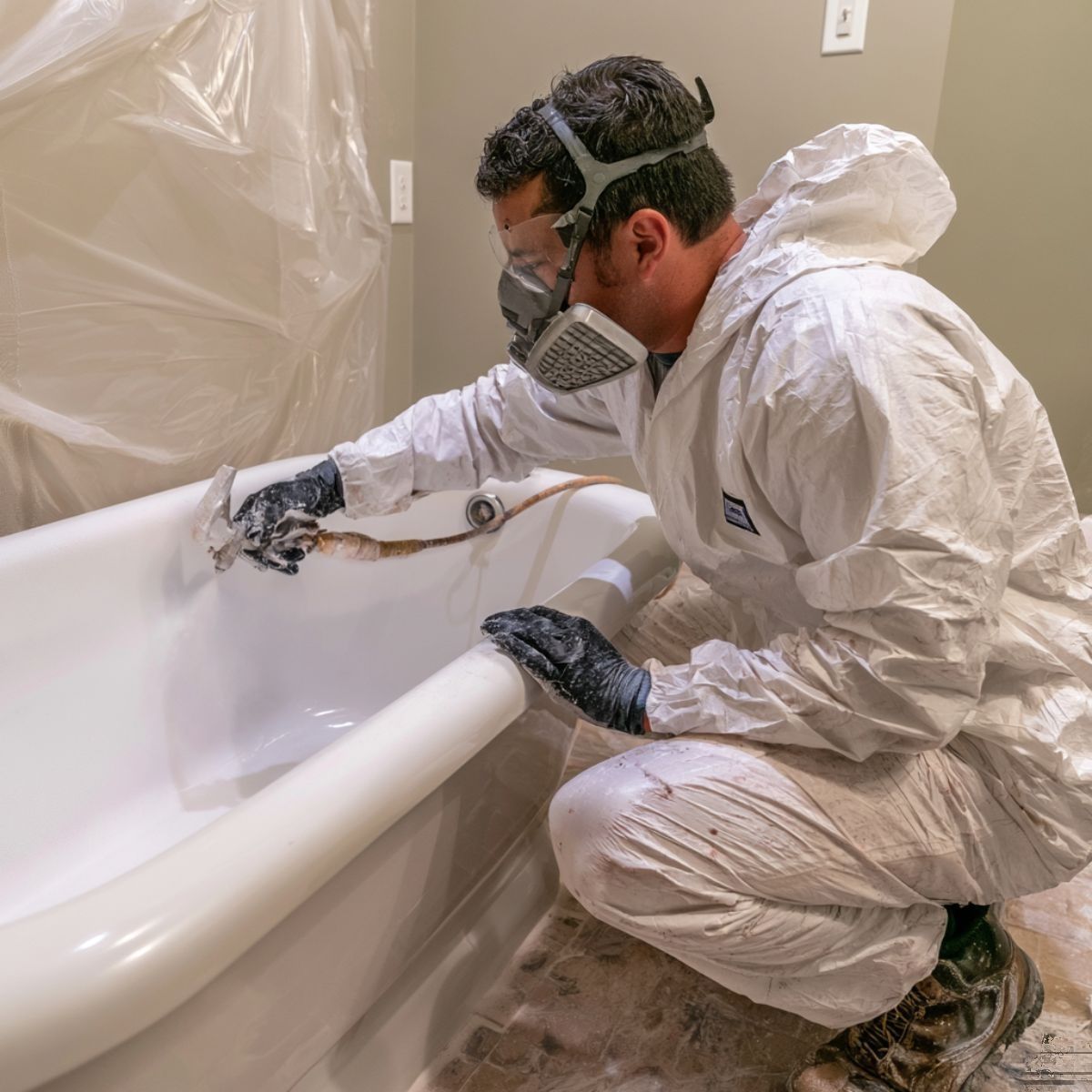
How Long Should a Bathtub Refinishing Warranty Be?
Bathtubs often generate the most warranty questions because they combine high humidity, standing water, cleaning chemicals, and mechanical wear from bathing. Warranty terms should account for:
Key bathtub durability variables:
- Substrate: porcelain, cast iron, acrylic, fiberglass
- Coating system used
- Commercial vs residential use
- Cleaning products
- Previous refinishing history
- Bathmat / suction cup usage
- Drain cleaners & bleach exposure
Recommended Warranty Ranges for Bathtubs
Bathtub Substrate
Porcelain / Cast Iron
Acrylic
Fiberglass
Re-Refinished Surface
Residential Warranty
3–5 years
1–3 years
2–3 years
Reduce by 25–50%
Commercial Warranty
1–3 years
1–2 years
1-2 years
Reduce by 50%+
Porcelain and cast iron hold up best because they are dimensionally stable and do not flex. Fiberglass and acrylic, however, can
flex under load, leading to bonding stresses.
Coating Systems and Warranty Length
Pros using premium coatings can justify longer terms. For example:
- Zenix is a high-performance iso-free 2K bathtub coating system for tubs, tile, showers with excellent adhesion, chemical resistance, and moisture tolerance—allowing longer bathtub warranty terms with reduced callbacks.
- Synergy is a
bath and tile paint that provides strong flow and leveling on vertical surfaces and maintains gloss well in wet areas.
Should You Offer a Different Warranty for Re-Refinishing?
Yes. Previously refinished tubs often require Zen-Strip chemical paint stripper to remove failing coatings before rework. Even then, adhesion into old substrates is inherently riskier.
Pro Tip: Offer a re-refinish rider with modified terms, such as:
- 1–2 years residential
- No commercial coverage
- Adhesion-only warranty
This reduces disputes while still closing jobs profitably.
What Warranty Should I Offer for Shower Walls and Tile Super Surrounds?
Material Variables
Sink Material
Porcelain / Cast Iron
Cultured Marble
Acrylic / Fiberglass
Previously Refinished
Warranty Notes
Sensitive to heat and bleach
Prone to flexing around the drain
Reduced warranty recommended
Recommended Warranty Ranges for Sinks
- Residential: 12-18 months
- Commercial / Rental: 6–12 months
- Re-refinish: 6–12 months adhesion-only
Why Sinks Need Modified Warranty Language
Your warranty should explicitly exclude:
- Bleach-based products
- Drain cleaners
- Abrasive toothpaste misuse
- Abrasive pads or scouring sponges
Without exclusions, sinks will eat your profit.
Should Countertops Receive Their Own Refinishing Warranty?
Absolutely. Countertops are subject to:
- Hot pans
- Knives
- Abrasives
- Hair dyes
- Cosmetics
- Cleaning chemicals
- Mechanical wear
They have nothing in
common with tubs or tile from a usage standpoint.
Countertop Material Variables
Material
Laminate
Ceramic Tile
Cultured Marble
Stone
Warranty Notes
Most common and refinishes well
Excellent lifespan with good grout prep
Sensitive to heat and chemical staining
Rarely refinished by pros
Recommended Warranty Ranges for Countertops
- Residential: 2–5 years depending on chemistry
- Commercial: 1–3 years depending on use case
When using
Synergy
or Zenix, countertop warranties can be confidently extended due to better chemical and abrasion resistance.
Should Cabinets Have a Separate Refinishing Warranty?
Cabinets are often in kitchens, laundries, and bathrooms—but their usage patterns differ dramatically.
Cabinet refinishing durability is influenced by:
- UV exposure
- Hand oils
- Cleaning sprays
- Mechanical friction (doors/drawers)
- Humidity
- Grease
Coating System Impact for Cabinet Warranties
Cabinets should not be warranted under bathtub/tile language because they use entirely different coating systems and encounter different wear cycles.
Cabinext (linked once: https://zentekcoatings.com/cabinext) is designed for cabinets and delivers factory-level durability with:
- Low-VOC
- Iso-free formulation
- Hard chemical resistance
- Flexible film for wood movement
Recommended Warranty Terms for Cabinets
Fixture Type
Kitchen Cabinets
Bathroom Cabinets
Re-Refinish
Residential
3–5 years
2–5 years
Reduce by 25–50%
Commercial
2–3 years
1–3 years
Warranty should exclude:
- Steam from dishwashers
- Heat near ovens
- Cosmetic wear on handles
- Damage from harsh cleaners
- Touch: 20–40 minutes
- Recoat: 45–90 minutes
- Topcoat window: 45–90 minutes
- Full cure: 16–24 hours
This prevents disputes while preserving sales momentum.
Key Warranty Components Every Refinisher Should Include
Every warranty should define:
1. Warranty Scope
- Adhesion
- Gloss retention
- Stain resistance
- Wear resistance
- Chemical resistance
Most pros warranty adhesion only, but customers often expect gloss and stain resistance, so clarity here reduces disputes.
2. Duration
Set terms based on:
- Fixture type
- Substrate
- Coating chemistry
- Commercial vs residential
- First-time vs re-refinish
3. Exclusions
Protect your business by excluding:
- Abrasive cleaners
- Suction cup bathmats
- Bleach & drain cleaners
- Bath oils & dyes
- Standing water damage
- Plumbing failures
- Structural movement
- Tenant or guest misuse
4. Maintenance Requirements
Customers must follow a care sheet, or warranties become void.
Typical cleaning instructions:
- pH-neutral cleaners only
- No abrasive pads
- No suction cups
- No bleach
- No drain cleaner
- No bathmats
Attach care sheets to invoices every time.
5. Claim Process
Define:
- How customers submit claims
- How you verify eligible coverage
- Whether service fees apply
Many pros charge:
- Trip fee
- Labor fee
- Material fee (if out of warranty)
This keeps warranty claims from becoming financial liabilities.
FAQ Section
What Should I Cover in a Warranty?
A bathroom refinishing warranty should provide clear coverage expectations for both the refinisher and the customer. At minimum, most professionals cover adhesion, since it reflects whether proper prep, priming, and application were performed. Beyond adhesion, some refinishers choose to cover gloss retention, stain resistance, and yellowing, but these require premium coating systems and should only be offered if you’re confident in the performance of your materials and application standards. The warranty should also outline fixture-specific coverage (tubs vs. tile vs. sinks vs. countertops vs. cabinets) because durability varies significantly by fixture type and use case. Finally, the warranty should clarify what is not covered, such as damage from cleaners, bathmats, bleach, drain products, or physical impact. A well-balanced warranty protects your business while helping customers feel confident in the quality of your refinishing service.
Should I offer a warranty for adhesion only, or include gloss retention and staining?
Most refinishers cover adhesion only, but customers expect more. If using systems like Zenix or Synergy, you may extend to gloss or stain resistance because their chemistry improves long-term performance. If using lower-grade coatings, limit coverage to adhesion to avoid claims related to fading, dulling, or discoloration.
Do I cover damage caused by cleaning products, bathmats, or drain cleaners?
You should explicitly exclude:
- Bleach
- Drain cleaners
- Suction cups
- Bathmats
- Abrasive sponges
- Harsh chemicals
These are primary warranty claim triggers. Put exclusions in writing and provide care instructions to validate warranty enforcement.
Should my warranty apply to tubs, tile, sinks, and vanities equally—or vary by surface?
Warranties should vary by fixture type because usage and wear differ dramatically. For example, sinks need shorter warranties than tubs, and cabinets require a completely separate warranty due to abrasion and grease exposure.
How Long Should My Warranty Be?
Warranty length should reflect real-world durability, not sales hype. Most successful pros offer different durations based on fixture type, substrate, coating system, and usage environment. For example, porcelain tubs in residential homes can often support 3–5 year terms when coated with higher-end systems, while fiberglass tubs, sinks, and high-use commercial spaces require shorter timelines. Offering excessively long or “lifetime” warranties can create financial and operational risk due to factors you cannot control after the job—such as cleaning habits, tenant turnover, or chemical exposure. A smart warranty strategy balances competitiveness, durability, and liability, positioning you as a professional while preventing unnecessary callbacks. If you’re using advanced systems like Zenix or Cabinext, you may safely offer longer terms than refinishers using lower-grade or consumer-level coatings.
Is 3–5 years standard for tub refinishing, or should I offer more?
3–5 years is standard for porcelain or cast iron tubs in residential settings when using premium coatings. Offering more may expose you to lifecycle risks unrelated to your work, like customer misuse.
Does offering a lifetime warranty hurt me later?
Can I get a matte or satin finish on tile?
Lifetime warranties are dangerous for bathroom refinishing because:
- Cleaners change
- Tenants change
- Coatings age
- Water hardness varies
- Drain cleaners cause bleaching
- Avoid lifetime terms unless heavily restricted and adhesion-only.
Should warranty duration vary based on the coating system or topcoat used?
Yes. When using durable 2K coatings like Zenix or cabinet systems like Cabinext, it makes sense to offer longer terms. If using water-based or 1K systems, shorten terms due to abrasion limits.
What Should Be Excluded from Coverage?
Exclusions protect your business from damage that is not related to workmanship or coating failure. Every refinishing warranty should exclude damage caused by abrasive cleaners, bleach, drain cleaners, suction cups, bathmats, dyes, hair products, bath oils, soap dishes, abrasive pads, and physical impacts. It’s also standard to exclude plumbing issues, structural movement, chips from dropped objects, and tenant or guest misuse. Commercial environments such as hotels, student housing, short-term rentals, and multifamily turnovers may warrant additional restrictions or shorter coverage windows due to heavier traffic and less controlled conditions. Exclusions should be written clearly, provided in writing before work begins, and accompanied by a post-care sheet so customers know how to protect their refinished surfaces.
How do I clearly exclude issues caused by customer misuse?
No. Tile refinishing systems are not rated for continuous submersion.
How long before the refinished tile can be used or cleaned?
Write exclusions like:
“Warranty does not apply to damage caused by abrasive cleaners, bleach, drain cleaners, suction cups, bathmats, physical scraping, or standing water.”
Do I need to exclude damage from chips, plumbing issues, or structural movement?
Yes. Chips from dropped objects, grout movement, and leaks are not coating failures. Exclude them.
Can I legally exclude commercial use (hotels, rentals) or tenant-applied damage?
Absolutely. Most pros reduce terms for commercial environments due to higher use intensity. Make this distinction clear on contracts.
How Do I Manage Warranty Claims?
Warranty management is a process, not an event. Start by educating the customer on valid care practices and exclusions before you ever spray—this reduces disputes later. For any claims, request photos of the damage and the surrounding area, plus evidence of cleaners used, drain products, or bathmats that may have caused the issue. If the claim appears valid, schedule an inspection or repair with clarity around service fees for travel or labor, if applicable. Keeping organized records of job details (substrate, coating system, prep method, and environmental conditions) allows you to verify whether a coating failure was due to workmanship or misuse. Communicating warranties in writing—via contract, invoice language, care instructions, and email—creates a professional customer experience that builds trust without sacrificing legal protection. Professionals who document and communicate clearly typically see fewer unnecessary callbacks and higher customer satisfaction.
How do I verify whether a claim is valid or if the customer caused the damage?
Request photos of:
- Damage site
- Cleaning supplies used
- Drain area
- Bathmat/suction cup areas
- Documentation helps you determine root cause.
Should I charge a service fee for warranty work?
Many pros charge:
- Travel fee
- Trip fee
- Or labor fee
- Even for valid claims. This prevents abuse while keeping customers satisfied.
What’s the best way to communicate warranty terms to customers—contract, invoice, email?
Use:
- Job contract
- Invoice text
- Care sheet
- Email confirmation
Triple documentation protects you legally.
How do I write a warranty that protects me and still builds customer trust?.
Use clear, professional, positive language. Instead of listing only exclusions, emphasize what is covered. Provide a care sheet to prevent claims and position yourself as a partner, not an adversary.